

What Is Haleem? The Story Behind Hyderabad's Most Comforting Slow-Cooked Dish
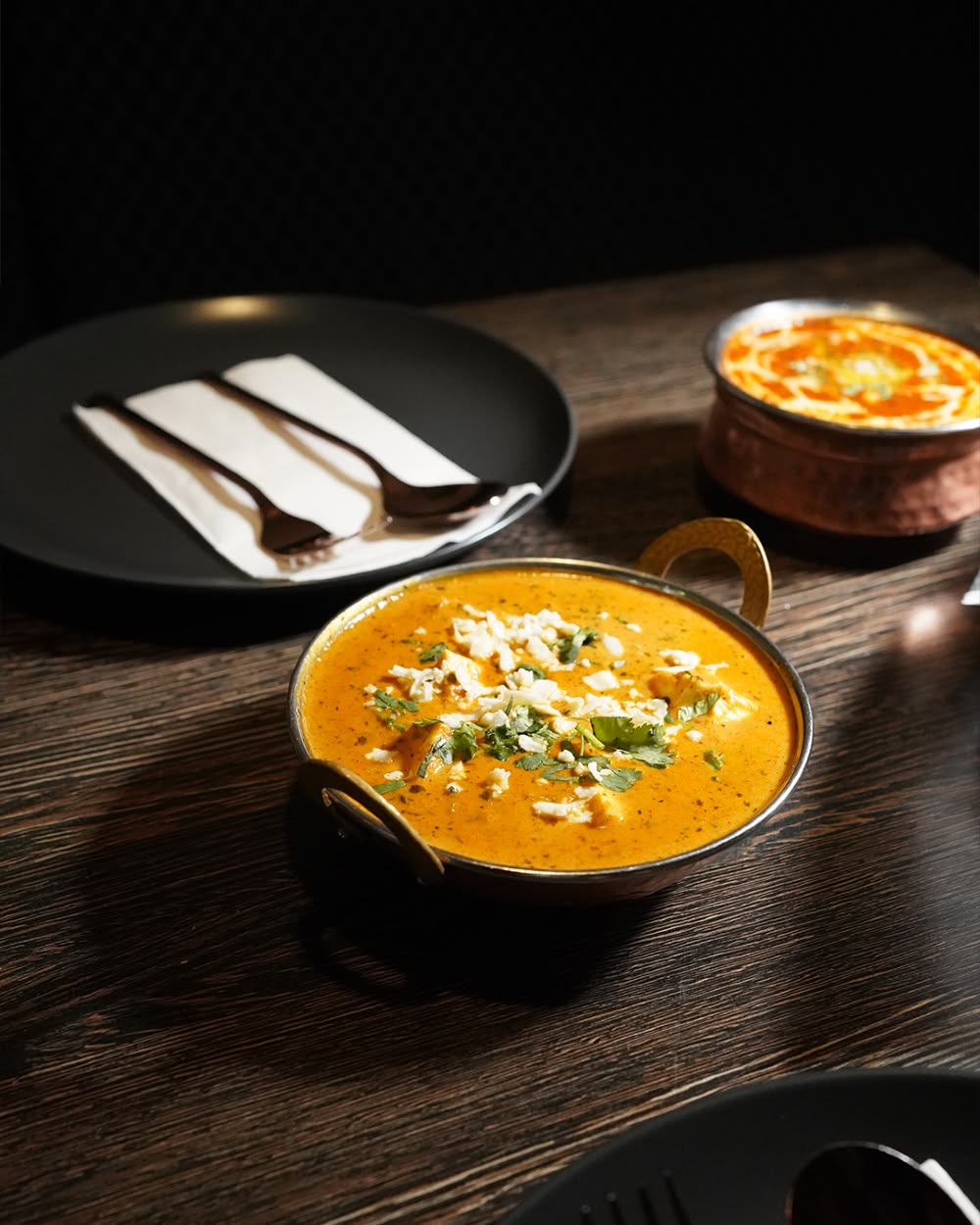
Some dishes take five minutes to explain and twenty seconds to eat. Haleem is the opposite. It can take hours to prepare properly, and once you understand what actually goes into it, a single bowl starts to make a lot more sense. What is haleem is one of the more common questions first-time visitors to a Hyderabadi restaurant ask, largely because nothing about its appearance gives away how it is made or where it comes from.
Unlike most dishes on an Indian menu, haleem is not a curry, a rice preparation, or a fried starter. It is a slow-cooked stew built from wheat, lentils, and meat pounded together over hours until the texture becomes something closer to a thick, savory porridge. Understanding that process is the easiest way to know what to expect before ordering it off a Indian restaurant menu.
Where Haleem Actually Comes From
Haleem traces back to harees, a wheat and meat porridge with roots in Arab and Persian cooking, brought to Hyderabad by the Chaush community, a group of Yemeni-Arab descent who settled in the region generations ago. Over time, the dish absorbed local Hyderabadi spices, cooking methods, and ingredients, evolving into something distinct from its Middle Eastern origin while still keeping the same core technique of slow-pounding wheat and meat into a unified texture.
This history explains why haleem feels different from most other dishes associated with Hyderabadi cuisine, which tend to lean heavily on rice, like biryani and pulao. Haleem's foundation is wheat and lentils rather than rice, placing it closer to a stew or porridge than anything typically served alongside it on a menu, which is part of why Birista House Frisco lists it separately under its own Hyderabad specialties rather than grouping it with curries or biryani.
What Is Haleem Made Of
Haleem is made from a combination of broken wheat, lentils, and slow-cooked meat, usually mutton or beef, pounded together over an extended cooking process until the ingredients blend into a smooth, thick consistency rather than remaining as separate components. Ghee, whole spices, and fried onions are added throughout the cooking process to build flavor as the mixture reduces.
The pounding step is what separates haleem from a simple stew. Rather than being left as chunks of meat in a lentil base, the ingredients are worked together, traditionally by hand, until the dish reaches a uniform, almost paste-like texture that still carries visible shreds of meat and grain throughout.
How Haleem Differs From Khichdi and Other Slow-Cooked Dishes
Haleem and khichdi are often mentioned together since both are slow-cooked comfort dishes, but they are built very differently. Khichdi is primarily a rice and lentil dish, typically vegetarian, cooked relatively quickly into a soft, porridge-like consistency. Haleem uses wheat instead of rice, includes meat as a core ingredient rather than an optional addition, and requires a much longer cooking and pounding process to reach its final texture.
This distinction matters for anyone comparing haleem vs khichdi based on appearance alone, since both can look similar in a bowl. The difference becomes clear in flavor and richness, with haleem carrying a deeper, meat-forward taste from hours of slow cooking, while khichdi tends to stay lighter and simpler.
Why Haleem Is Tied to Ramadan
Haleem is closely associated with Ramadan in Hyderabad, where it became a popular dish for breaking the daily fast due to its high calorie density, protein content, and slow-release energy from the wheat and lentil base. Restaurants across the city traditionally increase haleem production during this period, and it remains one of the most searched dishes in the region during Ramadan specifically.
That said, haleem is not exclusively a Ramadan dish. Many restaurants, including those outside India, prepare it as a standing menu item throughout the year, since its appeal as a rich, slow-cooked comfort food extends well beyond the fasting season it is most associated with.
Is Haleem Spicy, and What Does It Actually Taste Like
Haleem is generally mild to moderately spiced rather than fiery, since the dish relies more on depth from slow cooking than heat from chilies. The flavor tends to be savory and slightly smoky from the meat, with warmth from whole spices like cardamom and cinnamon rather than sharp chili heat.
Texturally, haleem has a dense, almost creamy consistency from the pounded wheat and lentils, finished with a garnish of fried onions, mint, and a squeeze of lemon that cuts through the richness. The lemon and fried onion garnish are not optional extras. They balance what would otherwise be a very heavy, one-note dish.
What to Expect When Ordering Haleem
Because haleem is a labor-intensive dish built around slow cooking and hand pounding, it is often prepared closer to order rather than kept sitting for long periods, since the texture holds up best when served fresh. Diners ordering haleem Frisco TX style preparations should expect a short preparation window rather than an immediate serve, since the dish is generally made fresh to preserve its texture and flavor.
For anyone planning ahead, particularly for a group or event, order online in advance to account for the preparation time, or consider a scheduled pickup rather than a walk-in order if haleem is the priority.
Frequently Asked Questions
Haleem is made from broken wheat, lentils, and slow-cooked meat, typically mutton or beef, pounded together over hours with ghee and whole spices until the mixture reaches a thick, uniform texture. Fried onions, mint, and lemon are added as garnish before serving.
No. While haleem is strongly associated with Ramadan due to its calorie density and popularity for breaking the daily fast, many restaurants serve it as a regular menu item throughout the year rather than limiting it to a single season.
Haleem is generally mild to moderately spiced, relying on warmth from whole spices like cardamom and cinnamon rather than chili-driven heat. Its flavor comes more from the slow-cooking process than from spice intensity.
Yes. Because haleem requires longer preparation time, ordering ahead through catering service is generally the most reliable way to have it ready for a larger group or scheduled event rather than requesting it as a walk-in order.
Haleem rewards a bit of patience, both in how it is made and how it should be ordered. Its Arab and Persian roots, its slow-pounded texture, and its close ties to Ramadan all shape a dish that has little in common with the rice-forward cooking most people associate with Hyderabadi food. For anyone curious about regional Indian cuisine beyond biryani, haleem is one of the clearest examples of how technique and time can define a dish as much as its ingredients do.